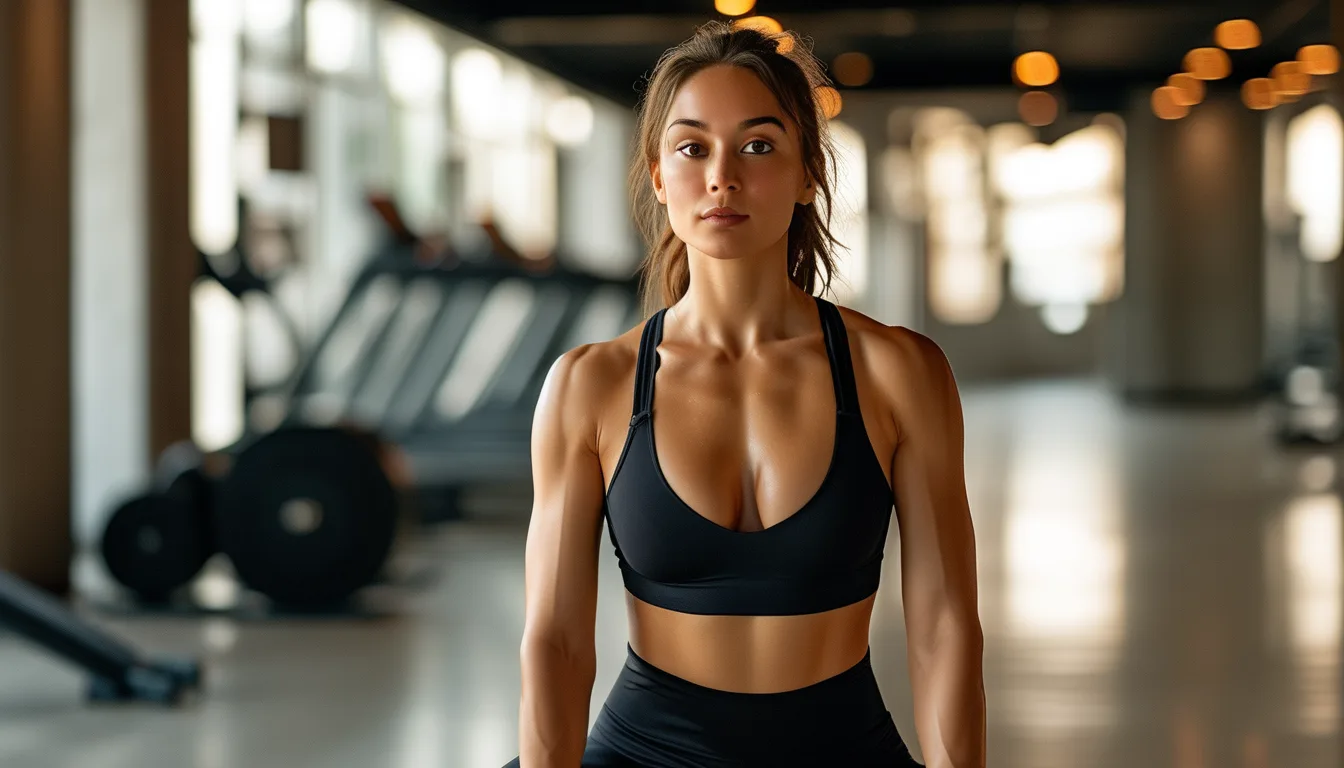
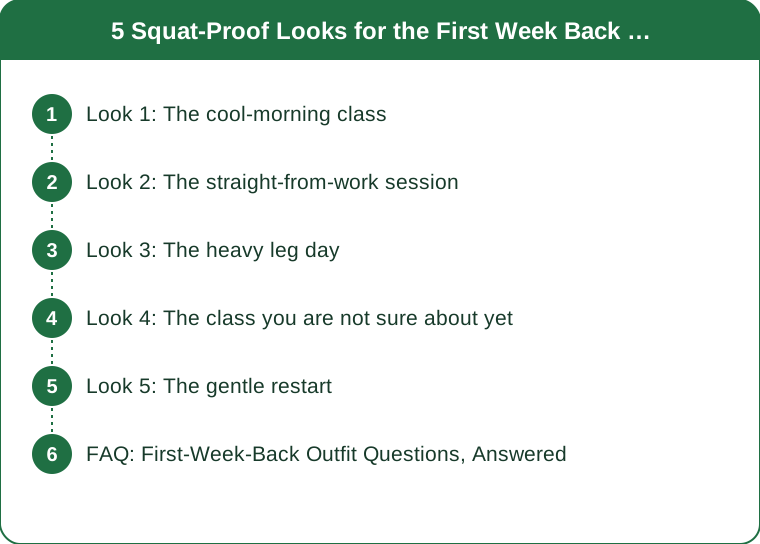
5 Squat-Proof Looks for the First Week Back at the Gym
Quick Answer: The first week back has a specific problem: cool mornings, warm studios, and a body that is not yet in a routine. The outfits that work are built on one genuinely squat-proof base with removable layers on top, so you can walk out in 60°F and train in a room that hits 78°F without changing your whole kit. Five combinations below, each solving a different version of that week.
The schedule restarts, the classes fill up, and everything you wore all summer is suddenly wrong for the walk there and right for the room itself.
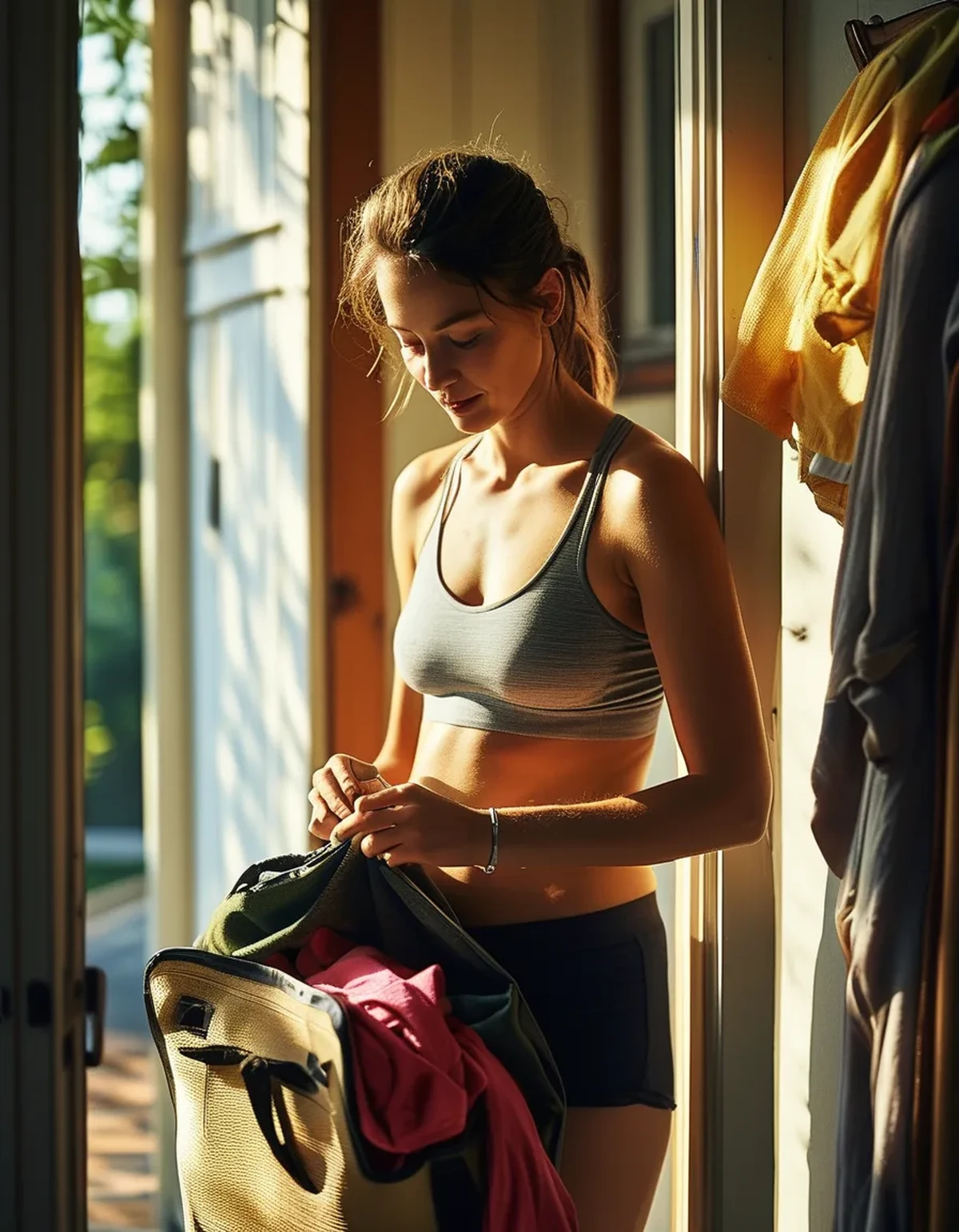
Look 1: The cool-morning class
The problem: you leave the house at 6:40am when it is genuinely chilly and you are in a warm studio by 7:15.
The build:
- Full-length high-rise leggings in a mid-weight nylon blend — the heavier fabric is warmer on the way there and more reliably opaque once the room heats up
- A fitted tank or bra top as the base layer you will actually train in
- A lightweight zip-up or crewneck that comes off in the first five minutes and goes back on for the walk home
- Crew socks rather than no-shows, which handles the temperature difference at ankle level better than anything else
Why it works: everything you remove is a top layer, so you never need to change anything below the waist. The leggings do the whole session, which is exactly what a squat-proof pair should be able to do.
The detail that matters: choose the zip-up in something that packs down small. It has to live in your bag for the hour in between, and a bulky hoodie is the reason people stop bringing one by Thursday.
Look 2: The straight-from-work session
The problem: you are changing in ninety seconds in a locker room and you cannot carry a second full outfit.
The build:
- 7/8 leggings in a textured or ribbed knit — the texture hides more, and the shorter length is faster to get on and off
- A built-in-bra top, which removes a whole garment from the changing sequence
- A long-line tank over the top, which covers through the transition and can stay on or come off
- Slip-on trainers so you are not dealing with laces twice
Why it works: it is a three-piece kit that changes in under a minute. The long-line tank is doing double duty — it is a layer for the walk from the office and a coverage option if the class is more crowded than you expected.
The detail that matters: the ribbed or textured legging is the specific choice here. In a lit locker room and a lit studio, texture scatters light in a way flat fabric does not, and it is much more forgiving after a full day of sitting has already stretched the knit.
Look 3: The heavy leg day
The problem: deep squats, high reps, mirrors in front and behind, and the outfit needs to be entirely uneventful.
The build:
- The heaviest, most compressive full-length pair you own, ideally in black or a print — this is the day for the pair that never worries you
- A close-fitting top that stays put when you are upside down in a stretch or braced under a bar
- Flat-soled trainers or lifters, not cushioned runners
- Crew socks, tall enough for deadlifts
Why it works: nothing in this outfit requires a single thought during the session, which is the whole objective for a day when your attention should be on the bar.
The detail that matters: high rise, genuinely high. A waistband that sits at or above the navel stays put through a deep squat, and one that sits below it will roll. The rolling waistband is the number one outfit complaint on leg day and it is entirely a rise problem, not a size problem.
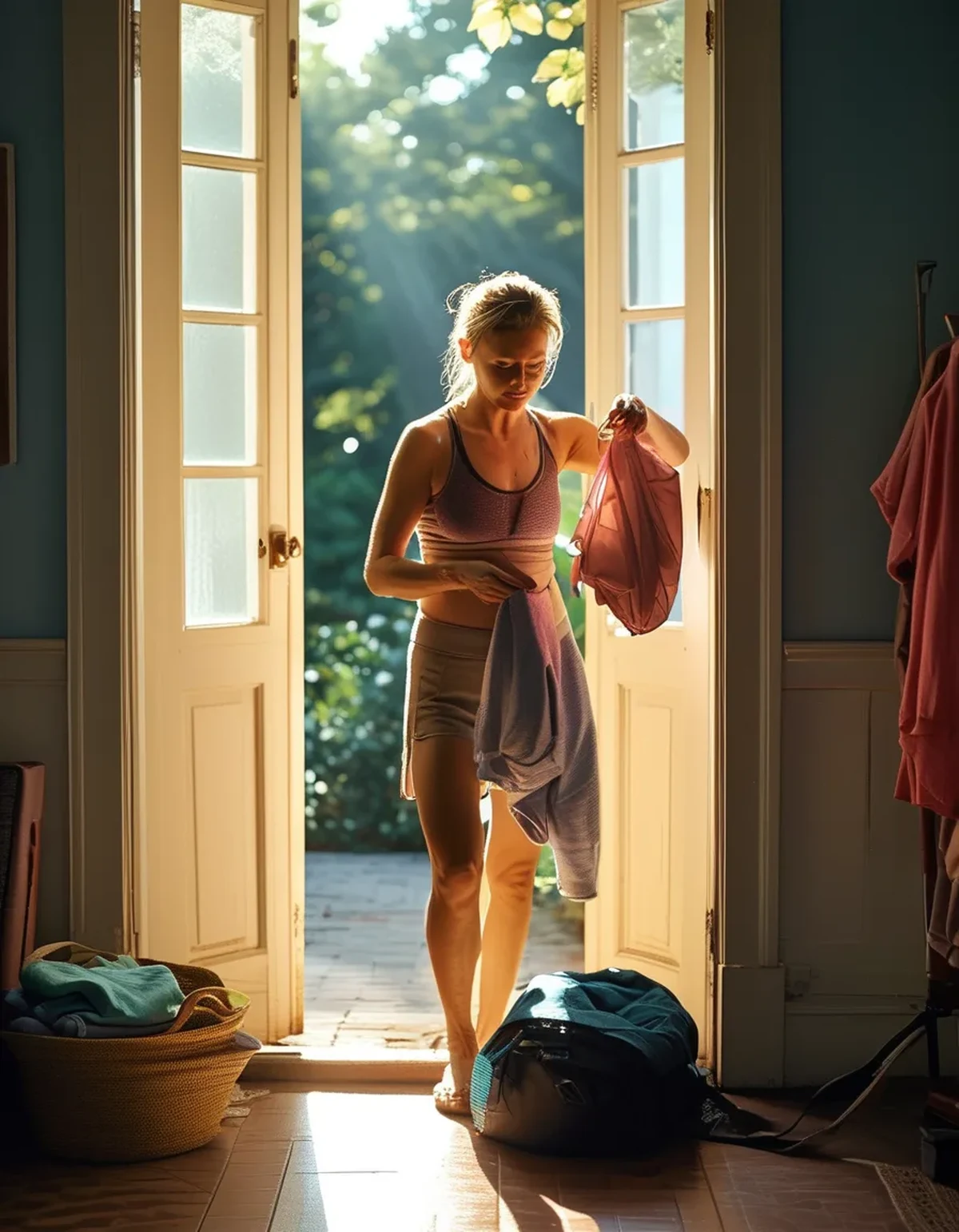
Look 4: The class you are not sure about yet
The problem: first time in a new studio, unknown room temperature, unknown intensity, unknown mirror situation.
The build:
- Mid-weight full-length leggings in a print or heathered dark colorway — visual noise is your friend when you do not know the lighting
- A supportive bra top at the level your hardest likely activity needs, not your expected one
- A loose, breathable tee you can keep on or tie around your waist
- A hair tie on your wrist and a small towel, because unknown intensity is exactly when you want both
Why it works: it is over-prepared in the two dimensions that actually matter — coverage and support — and under-committed everywhere else.
The detail that matters: the tee that can be tied around the waist is doing real work here. It converts from a layer into coverage without needing to go in your bag, which means you will actually use it rather than deciding it is too much hassle halfway through.
Look 5: The gentle restart
The problem: you have not trained in weeks, you are going back to something low-key, and the main risk is that you do not go at all.
The build:
- Your most comfortable squat-proof pair, whatever that is — comfort is the deciding factor today
- A relaxed tank or a soft tee rather than anything fitted
- A long cardigan or open layer for the trip there
- Whatever shoes are by the door
Why it works: the outfit’s only job is to not be a reason to skip. Anything that adds friction to the first session back is working against you, and there is no session where a slightly imperfect kit matters less.
The detail that matters: lay it out the night before. Genuinely. The single biggest predictor of whether the first week back happens is whether the clothes are visible and ready when you walk past them in the morning, and that is worth more than any fabric decision in this article.
And a note across all five: run the wet test on your squat-proof pairs before the week starts rather than during it. Indoor studios in September are warmer and less ventilated than an August park, and the pair that has been fine all summer is about to get a harder test.
FAQ: First-Week-Back Outfit Questions, Answered
How many gym outfits do I actually need to restart?
Three full sets covers most people training three or four times a week with a weekly laundry cycle. The constraint is drying time rather than training days — leggings and bras both take longer to air dry than tops, so build the count around those two.
Should I buy new gear to motivate myself?
One piece, maybe, and the honest version is that new gear provides about a week of motivation and then stops. If you are buying something, buy the piece that removes an actual obstacle — a bra at the right support level, or a pair that you never have to think about — rather than the piece that looks best in the drawer.
What about the walk home when it is cooler?
This is the one people get wrong in September. You are damp and the temperature has dropped, which is a much colder combination than the same air felt on the way there. A dry top to change into, or at minimum a jacket that goes over everything, makes the difference between a fine walk home and one you remember unfavorably.
TL;DR:
- Build on one genuinely squat-proof base and handle the temperature swing entirely with removable top layers
- Textured and printed fabrics forgive more than flat solids under studio lighting
- High rise is what stops waistband roll on leg day — it is a rise problem, not a size problem
- Test your pairs wet and backlit before the week starts, because indoor studios run warmer than summer outdoors
- Lay the whole thing out the night before, which matters more than any of the above
The first week back is decided by friction, not by fabric. The outfit’s real job is to be sitting there ready when you walk past it at 6:30 in the morning.
See It in Motion
Seen here: High Waist Yoga Leggings with Side Pockets — shop it on bubblelime.com
Keep Reading
This article is for general informational and styling purposes only. Fit, sizing, and product availability may vary.